About Cobalt Chloride
We are distinguished in the market as one of the trusted organizations engaged in offering
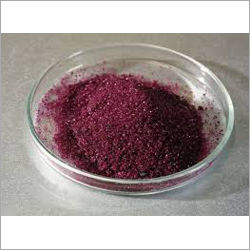
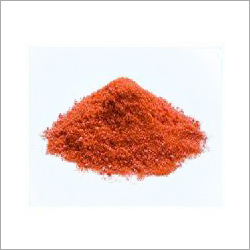
Cobalt Chloride. It is a pink to red solid with a slight sharp odor. This chemical powder easily sinks and mixes with water. To process this chemical powder, our expert workforce uses best quality compounds. This chemical powder is soluble in ethanol, pyridine and glycerol. It is an excellent water soluble crystalline cobalt source for uses compatible with chlorides. Chloride compounds can conduct electricity when fused or dissolved in water.
Cobalt Chloride is used as absorbent for ammonia, gas masks, electroplating hygrometers, manufacture of vitamin B12, solid lubricant, dye mordant and fertilizer additive.
Cobalt Chloride is known for its striking color change: blue when anhydrous and pink upon hydration. It is freely soluble in water, ethanol, and methanol. With a density of 3.356 g/cm and an acidic pH, its solid form can be crystalline powder or lumps and is odorless with a saline metallic taste. It is also hygroscopic and deliquescent, making proper storage essential to avoid moisture absorption.
Applications and BenefitsUsed extensively in laboratories, cobalt chloride serves as a reliable reagent in synthesis and electroplating processes. Its utility as a humidity indicator and desiccant makes it valuable in monitoring environmental conditions. The compound is also used in the manufacture of other cobalt compounds and as a catalyst in chemical reactions, offering versatility and performance for a range of industrial and research-related activities.
Handling, Safety, and DisposalGiven its classification as a toxic substance (Hazard Class 6.1), careful handling and storage are mandatory. It must be kept in tightly sealed containers, away from moisture and incompatible substances like strong oxidizers or alkalis. Dispose of cobalt chloride as hazardous waste according to local regulations. It is toxic to aquatic life, emphasizing the importance of environmental precautions during use and disposal.
FAQs of Cobalt Chloride:
Q: How should cobalt chloride be stored to maintain its quality and shelf life?
A: Store cobalt chloride in a tightly sealed container, kept in a cool, dry place away from moisture, strong oxidizers, and alkalis. Proper storage extends its shelf life up to two years.
Q: What are the primary applications and benefits of using cobalt chloride in laboratories?
A: Cobalt chloride is widely used as a laboratory reagent, for chemical synthesis, in electroplating, as a catalyst, and as a humidity indicator. The compounds sensitivity to moisture allows for reliable environmental monitoring and enhances various industrial processes.
Q: When does cobalt chloride change color, and what does this indicate?
A: Cobalt chloride shifts from blue (anhydrous) to pink (hydrated) upon exposure to moisture. This color change serves as a visual indicator of humidity, making it useful in desiccant packs and humidity indicators.
Q: Where should cobalt chloride be disposed of after use?
A: Dispose of cobalt chloride as hazardous waste in accordance with local regulations. It should not be released into aquatic environments, as it is toxic to aquatic life.
Q: What precautions are necessary when handling cobalt chloride?
A: It is important to use cobalt chloride in well-ventilated areas, wear appropriate protective equipment, and avoid ingestion, inhalation, or skin contact due to its toxic nature. Always follow hazardous material handling protocols during transport and use.
Q: How can cobalt chloride be safely transported?
A: Cobalt chloride must be transported in HDPE drums, fiber drums, or bags, classified under UN 3288 (Hazard Class 6.1). It should be managed as hazardous material, keeping it securely packaged and away from incompatible substances.
 Send Inquiry



 Send Inquiry


 Send Inquiry